





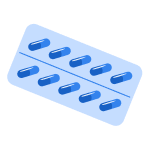
Glybovin 2.5mg Tablet
 Item requires a valid prescription
Manufactured By Aristo Pharmaceuticals Pvt Ltd
Composition Glibenclamide (2.5mg)
Package Size ( 10 Tablet in a strip )

100% Authentic
Products

Free Delivery
COD

Easy Returns &
Cancellation
Pharmacies (5)
MRP Rs 5.65
Sort pharmacies by
Interactions / Warnings:
Alcohol intake may increase or decrease the blood sugar lowering action in an unpredictable way
Pregnancy interaction:
Expert advice:
Side Effects:
How to use:
How it works:
Faq for medicine:
A: No. Glibenclamide and glipizide are different medicines; however, they belong to same family of drugs called sulfonylureas
Q: Does Glybovin play any role in the treatment of Polycystic ovarian syndrome (PCOS)?
A: No, Glybovin is not known to have any role in the treatment of polycystic ovarian syndrome (PCOS). Also, there is no clinical evidence available regarding the same.
Q: Why Glybovin should be cautiously used in elderly patients?
A: Glybovin should be used with extra caution in elderly patients because they are at high risk of getting low blood sugar (hypoglycemic event)
Q: Is Glybovin useful in the management for prediabetes?
A: The Glybovin is not used for the management of prediabetes, a condition with blood glucose levels higher than normal but not high enough to label you as diabetic. There are clinical studies available, but the evidence is not strong enough for its use in prediabetes.
Q: How is Glybovin different from teneligliptin?
A: Both Glybovin and teneligliptin are antidiabetic drugs and control blood sugar levels effectively. However, they work in different ways and have a different mechanism of action and side effects. Glimepiride commonly causes hypoglycemia and weight gain while teneligliptin causes headache and nasopharyngitis. Teneligliptin causes hypoglycemia when used along with insulins or sulfonylureas and does not cause weight gain.
Q: Can I skip Glybovin for few days?
A: No, Glybovin should not be skipped, as it can make your diabetes worse. If you miss the dose by mistake, take it as soon as you remember.
Q: Can I take Glybovin if I have a sulfa allergy?
A: Use of Glybovin should be avoided if you are allergic (hypersensitive) to sulfonylureas or sulfonamides or any of the other ingredients of this medicine
Q: Does Glybovin cause weight gain?
A: Yes, Glybovin can cause weight gain. It is advisable to closely monitor your diet and do regular exercise while taking this medicine. Avoid skipping your meal as it can cause very low blood sugar levels and you may end up snacking or taking a lot of sugars.
Q: Is there any benefit of taking Glybovin with insulin?
A: Glybovin, when used with insulin, can help to control high blood sugar levels. Taking them together can help to lower the dose of insulin but there could also be an increased risk of hypoglycemia. Dose of these medicines may need to be adjusted along with regular blood sugar level monitoring
Q: Is it safe to take Glybovin with liraglutide?
A: Yes, Glybovin and liraglutide can be taken together, as they can help in better control of blood sugar levels. However, the risk of low blood sugar levels (hypoglycemia) can increase. Consult your doctor as a dose adjustment of the two may be needed.
Q: Is Glybovin a Thiazolidinedione?
A: No, Glybovin is not a Thiazolidinedione, it is a sulfonylurea. However, both are antidiabetic medicines but belong to a different group of medicines.
Q: Is Glybovin useful in the management of gestational diabetes?
A: Glybovin is not advised to be used for the management of gestational diabetes. Use of Insulin is advised during pregnancy to control the blood glucose levels
Q: Does Glybovin cause hair loss?
A: No, hair loss is not seen with the use of Glybovin. However, diabetes itself can lead to hair loss. Talk to your doctor if you have excessive hair loss as it could be due to some other underlying condition or it could be a sign of your diabetes getting worsened.
Q: Is it safe to take Glybovin with pioglitazone?
A: Yes, it is safe to take Glybovin with Pioglitazone in patients with diabetes mellitus. Together they can control your blood sugar levels, lower plasma lipid levels and improve blood pressure. However, the risk of very low blood sugar levels can increase and the dose of these medicines may need to be adjusted.
Medicine interaction:
Available Substitutes