






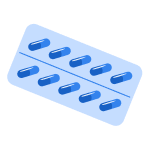
Zytham 800mg Tablet
 Item requires a valid prescription
Manufactured By Zydus Cadila
Composition Ethambutol (800mg)
Package Size ( 10 Tablet in a strip )

100% Authentic
Products

Free Delivery
COD

Easy Returns &
Cancellation
Pharmacies (5)
MRP Rs 39.27
Sort pharmacies by
Interactions / Warnings:
Interaction with alcohol is unknown. Please consult your doctor.
Pregnancy interaction:
Expert advice:
Side Effects:
How to use:
How it works:
Faq for medicine:
A: Optic neuritis (inflammation of nerve fibers that transmit visual information from your eye to the brain) is one of the side effects of Zytham which causes several forms of eye defect. Although these conditions are reversible upon discontinuation of the drug, rare cases of irreversible blindness have also been reported. Please contact your doctor immediately if you notice any of these symptoms decreased clearness of vision, loss of vision, disturbed vision due to blind spots, color blindness, visual field defect and eye pain
Q: Does Zytham induce hyperuricemia/how does Zytham induce hyperuricemia?
A: Yes. Increase in blood levels of uric acid is a side effect of Zytham. It increases the retention of uric acid in the body by decreasing the excretion of urates (uric acid) by the kidneys
Q: How does Zytham work in the body?
A: Zytham is an antibiotic effective against tuberculosis causing bacteria. It suppresses the growth of the bacteria by interfering with the formation of the outer protective covering (cell wall) of the bacteria, thereby weakening the bacteria
Q: What is Zytham toxicity/How does Zytham cause optic neuritis/how does Zytham affect vision?
A: Zytham toxicity involves toxic effects on the eyes (optic neuritis/optic neuropathy) which are related to the dose and duration of Zytham treatment. It causes optic neuritis (inflammation of nerve fibers in the eye) by interfering with important cellular activities (mitochondrial toxicity) in the nerve cells and inducing nerve damage (neuropathy) thereby affecting the transmission of visual information from the eye to brain. The symptoms of Zytham induced optic neuritis include decreased clearness of vision, loss of vision, disturbed vision due to blind spots, color blindness, visual field defect and eye pain
Q: What does Zytham treat?
A: Zytham is an antibiotic effective against tuberculosis causing bacteria. It is used in the prevention, treatment and second time treatment of tuberculosis (a serious infection caused by bacteria that affects the lungs and in certain cases other parts of the body)
Q: Is Zytham bacteriostatic or bactericidal?
A: Zytham is both a bacteriostatic and a bactericidal antibiotic. It suppresses the growth of bacteria (bacteriostatic) by interfering with the formation of the outer protective covering (cell wall) of the bacteria, thereby weakening it and causing cell death in certain cases (bactericidal)
Q: Is Zytham hepatotoxic?
A: Liver toxicities are among the known side effects of Zytham. Inflammation of liver (hepatitis), abnormal liver function causing yellowing of skin and eyes (jaundice), abnormal liver function tests (blood tests to assess health of liver) and very rarely liver failure have been noted in patients receiving multi drug (including Zytham) treatment for tuberculosis. Please contact your doctor before taking Zytham if you have any liver problems
Q: Is Zytham toxicity reversible?
A: In most cases Zytham toxicities are related to dose (depends upon the quantity of Zytham you take) and duration of treatment and are reversible upon discontinuation. However, serious irreversible damage to eye and liver has been reported in rare cases
Q: Is Zytham chemotherapy?
A: Zytham is an antibiotic used in the treatment of tuberculosis. Do not confuse it with chemotherapy or chemo drugs used for the treatment of cancer
Q: Zytham is effective against?
A: Zytham is effective against most tuberculosis causing bacteria belonging to Mycobacterium family (M. tuberculosis, M. avium complex, M. kansasii, M. marinum).
Medicine interaction:
Available Substitutes